
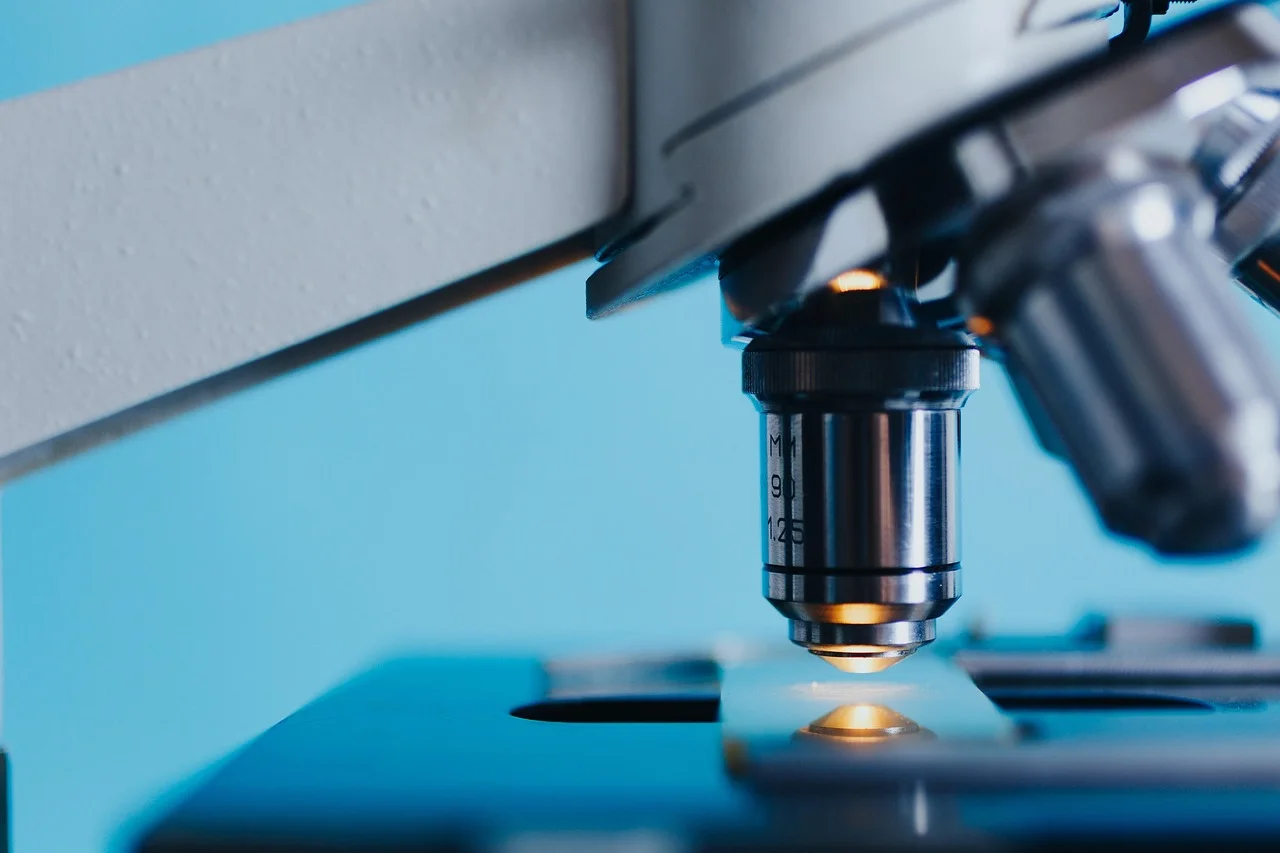
Overview of microscopic root canal treatment
Microscopic root canal treatment uses a dental microscope to allow the clinician to see tiny details inside a tooth. This precision-focused approach improves diagnosis and treatment, especially for teeth with complex root anatomy or prior failed root canals. For Polish patients living in the UK, it can mean fewer visits, higher success rates, and better long-term preservation of natural teeth.
The technique combines magnification with advanced tools and materials. Endodontists can locate hidden canals, remove infected tissue more thoroughly, and seal the roots more predictably than with standard methods. The result is often less post-operative discomfort and a stronger outcome.
Why choose microscopic treatment in the uk
Choosing treatment in the UK offers a combination of regulatory standards, trained specialists and modern clinics. For Polish patients, language support and community networks make the experience more comfortable.
Microscopic methods are widely adopted in specialist practices, and many UK endodontists undertake continuous training in microsurgical techniques. That means access to up-to-date protocols and quality care.
What to expect during the procedure
Your first visit typically includes a detailed assessment: X-rays, discussion of symptoms, and an explanation of options. The microscope is used throughout the treatment to guide each step.
Treatment sessions vary. Some teeth can be treated in a single visit, while others, especially those needing re-treatment, may require two or more appointments. Local anaesthesia keeps the procedure comfortable, and most patients return to normal activities the same day, with mild soreness possible for a couple of days.
Benefits for Polish patients and practical considerations
Microscopic root canal work offers clear benefits: higher success rates, preservation of tooth structure, and reduced likelihood of extraction. For Polish patients in the UK, cultural and language support is an additional plus.
- Improved visibility of hidden canals and fractures
- More conservative removal of tooth tissue
- Better long-term outcomes and fewer retreatments
When searching for a clinic, look for endodontic specialists who mention microscopy and digital imaging. If you prefer services tailored to Polish speakers or want to confirm procedural details in Polish, some clinics explicitly offer that support—consider researching options such as leczenie kanałowe pod mikroskopem to find practices experienced with Polish patients.
Costs, recovery and choosing the right clinic
Costs depend on complexity, tooth location and whether retreatment or surgery is required. Recovery is generally quick, with most discomfort settling within 48–72 hours.
| Service | Typical duration | Estimated range (GBP) |
|---|---|---|
| Primary microscopic root canal | 60–90 minutes | 250–650 |
| Retreatment or complex case | 90–150 minutes | 400–1,200 |
| Microsurgical endodontics (apicoectomy) | 90–180 minutes | 600–1,500 |
When choosing a clinic: verify the specialist’s credentials, check patient reviews, ask about language support, and confirm what follow-up care is included. Many practices provide informative consultations so you can make a confident decision.
Is microscopic root canal treatment more painful than standard root canals?
No. The microscope improves precision and typically reduces trauma to surrounding tissues. Anaesthesia keeps the procedure comfortable, and post-operative discomfort is usually mild and short-lived.
How many visits will I need?
Many cases are completed in a single appointment, but complex teeth or retreatments can require two or more visits. Your endodontist will advise a tailored plan after assessment.
Will the procedure be covered by NHS or private insurance?
Coverage varies. Some NHS clinics offer specialist endodontic services, but access is limited. Private clinics commonly provide microscopic root canal treatment; insurance policies differ, so check your plan and ask the clinic for cost estimates.
[h3]Can I travel back to Poland for follow-up care?[/h3]
Yes, but coordinate with both the treating specialist and your local dentist in Poland. Share records and imaging to ensure consistent follow-up and to avoid repeating procedures unnecessarily.