
Polish dentist in bury st edmunds — what to expect
If you are looking for dental care that combines technical expertise with friendly, patient-centred service, a Polish dentist working in Bury St Edmunds could be the right fit. Many practitioners trained in Poland bring a high level of endodontic skill, up-to-date training, and a hands-on approach to treatment planning.
For patients who prefer communicating in Polish or want a clinician familiar with different training systems, there are options. For a local practice with Polish-speaking staff and modern facilities, try searching for dentysta bury st edmunds to compare services and availability.
Expert root canals: gentle and modern
Root canal treatment has come a long way. Modern endodontics focuses on preserving the natural tooth, using technologies like rotary instruments and magnification to reduce treatment time and discomfort. A skilled Polish dentist will explain each step, from diagnosis to follow-up, so you feel in control.
Comprehensive testing and diagnosis
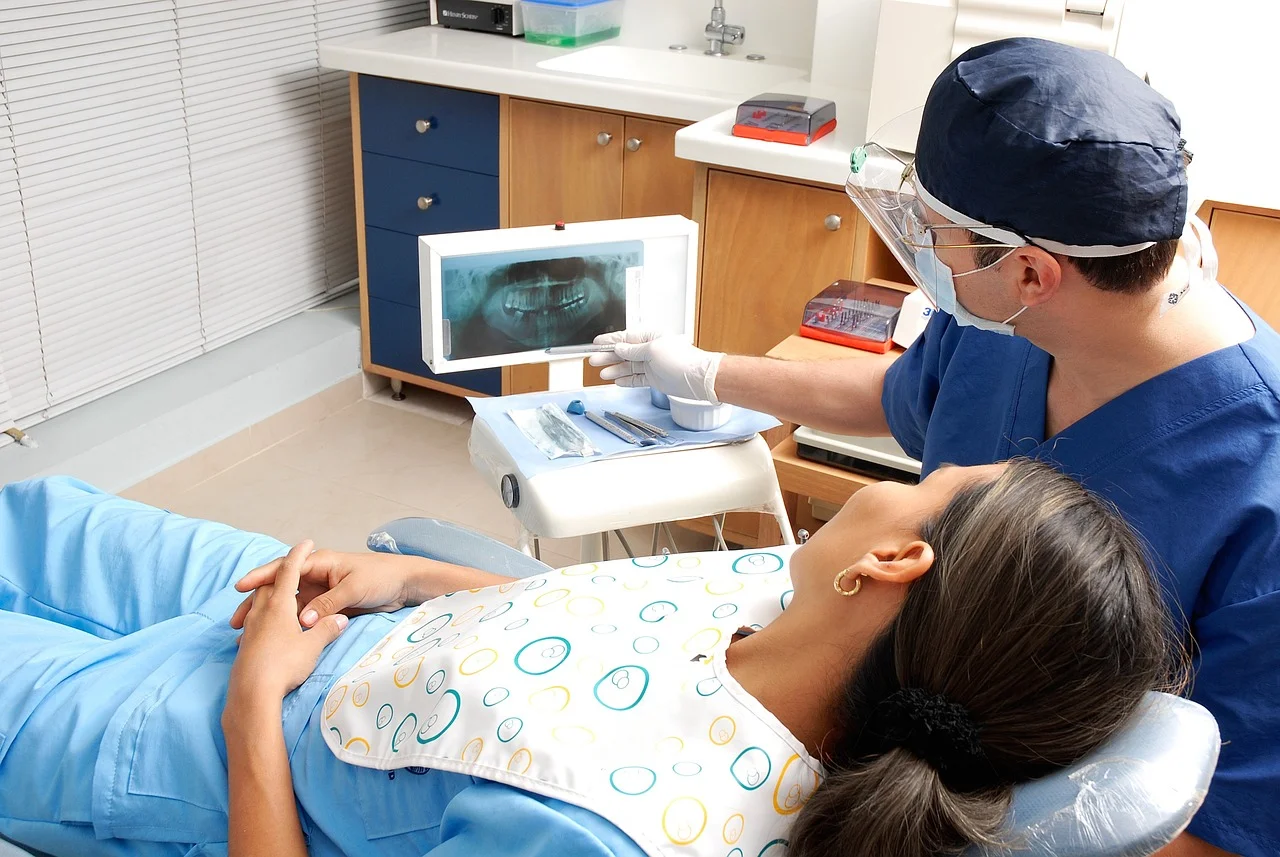
Good diagnosis is half the treatment. Expect a thorough assessment: clinical examination, targeted X-rays, and sometimes 3D imaging for complex cases. These tests help the dentist locate infection, assess bone health, and plan procedures precisely.
Pre-treatment assessments also include medical history and discussions about pain management. If you have a nervous gag reflex or dental anxiety, mention it early—there are strategies to help, including sedation options in some practices.
Follow-up testing ensures healing is on track. A reliable dentist schedules check-ups and repeat imaging when necessary to confirm success after root canal therapy.
Invisible braces and cosmetic alignment options
Clear aligners and discreet braces are popular choices for adults and teens who want to straighten teeth without metal brackets. Polish-trained dentists often offer tailored cosmetic plans that combine orthodontics with whitening or composite bonding for a quicker smile makeover.
- Benefits: nearly invisible, removable for eating, and easier to keep clean.
- Considerations: treatment time varies, and compliance matters for best results.
Practical information: appointments, fees and languages
Booking an appointment is straightforward in most clinics. Many practices offer online booking or phone lines with multilingual reception. Typical initial visits include consultation, diagnostics, and a written treatment plan.
| Service | Typical duration | Estimated cost range |
|---|---|---|
| Consultation + X-ray | 30–45 minutes | £40–£90 |
| Root canal (single canal) | 60–90 minutes | £250–£500 |
| Clear aligner course | 6–18 months | £1,200–£3,000 |
Fees vary by complexity and materials. Always request a written estimate and ask about warranties on work like crowns or aligner results. Many dentists accept card payments and have flexible financing plans for larger treatments. If language is a priority, confirm Polish-speaking availability when you call.
What should I bring to my first appointment?
Bring ID, a list of current medications, and any relevant dental records or X-rays if you have them. A short summary of your dental history helps the dentist plan quickly.
Are root canals painful?
With modern anaesthesia and techniques, most patients report little to no pain during the procedure. Some soreness afterward is normal and usually manageable with over-the-counter pain relief.
How long do invisible braces take to work?
Treatment time depends on case complexity. Mild corrections can take a few months, while more complex movements might take a year or more. Your dentist will provide a time estimate during consultation.
Do Polish dentists follow UK standards?
Yes. Dentists practising in the UK must be registered with the General Dental Council and adhere to local regulations and standards of care, regardless of where they trained.