
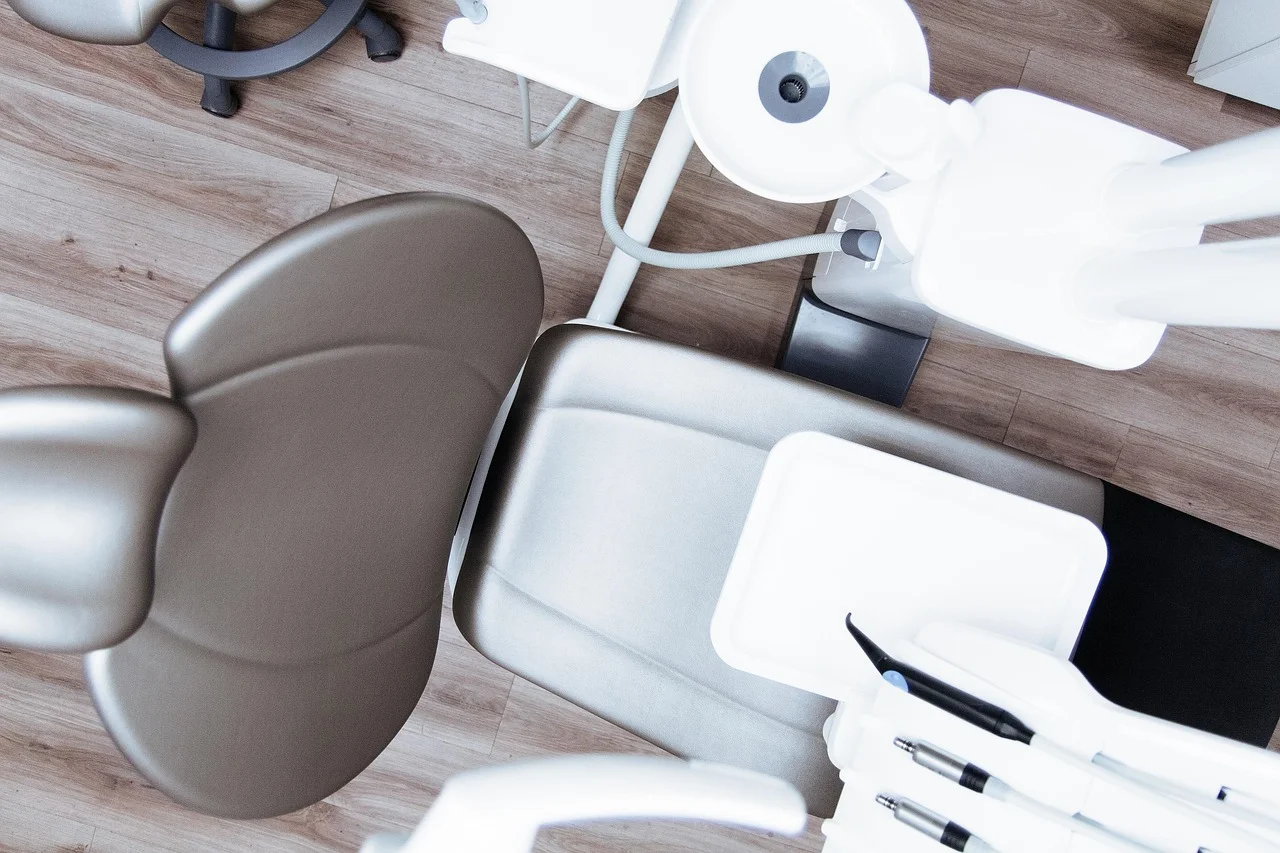
Polish doctors in the uk: advanced dental care overview
Moving to or living in the UK brings many choices for healthcare, and dental care is often near the top of the list. Polish dentists and medical professionals working in Britain combine training from both systems, offering a familiar approach for Polish-speaking patients while meeting UK clinical standards. This article outlines what to expect from advanced dental treatments, key tests, and modern orthodontic options like invisible braces.
What advanced dental services they offer
Many clinics run by Polish professionals provide a full range of services. Advanced care goes beyond routine check-ups and fillings — it includes precise diagnostics and restorative work.
- Digital imaging and 3D scans for accurate treatment planning
- Implantology and bone grafting for missing teeth
- Cosmetic dentistry: veneers, whitening, and full smile makeovers
- Complex endodontics (root canal therapy) and microsurgery
Clinics often combine international techniques with clear communication in Polish, making complex procedures easier to understand and follow.
Essential tests and check-ups explained
Before any major dental treatment, you’ll go through baseline tests. These protect your health and help the dentist plan effective care.
| Test | Purpose | Typical timing |
|---|---|---|
| X-rays / OPG | Assess bone, roots, and hidden issues | At first visit and as needed |
| CBCT (3D scan) | Detailed view for implants or surgery | Before implants or complex surgery |
| Periodontal charting | Measure gum health and pocket depth | Annually or with gum disease |
| Oral cancer screening | Early detection of suspicious lesions | Routine at check-ups |
These tests are standard in high-quality clinics and help avoid surprises during treatment. They also ensure long-term results and safety, particularly for surgical procedures.
Invisible braces: options, timeline and care
Invisible braces — clear aligners — are a popular choice for adults and teens who want discreet orthodontics. Treatment typically involves a digital scan, a series of custom aligners, and periodic check-ups to monitor progress.
- Average treatment time: 6–18 months, depending on complexity
- Best suited for mild to moderate crowding, gaps, and bite corrections
Care is straightforward: wear aligners 20–22 hours daily, clean them regularly, and follow the clinician’s schedule for tray changes. Polish specialists in the UK often offer packages that include scans, aligners, and follow-up, with clear explanations in Polish to make compliance easier.
Choosing the right clinic and patient experience
When searching for a team you can trust, consider qualifications, patient reviews, and communication. Many patients appreciate the comfort of speaking to Polish staff during consultations and aftercare. If you prefer Polish-speaking support, try searching reputable directories or local community groups for recommendations.
Many people actively look for Polish-speaking medical staff; for example, a useful resource to start with is polscy lekarze w uk, which connects patients with clinics staffed by Polish professionals. Visiting a clinic for a short consultation can clarify costs, timelines, and the approach to care.
Remember to check registration with the General Dental Council (GDC) and ask about warranties on work like implants or cosmetic treatments. A friendly, transparent clinic will explain options, risks, and payment plans clearly.
What are the typical costs for advanced dental procedures?
Costs vary by procedure and location. Simple treatments are affordable, while implants and full cosmetic makeovers cost more. Always request a written treatment plan and breakdown of fees.
Are tests like CBCT safe?
CBCT scans use low-dose radiation and are justified when the detailed 3D information improves treatment outcome. Dentists follow safety protocols and only recommend scans when clinically necessary.
Can invisible braces fix every orthodontic problem?
Clear aligners are effective for many issues but not all. Severe bite problems or large jaw discrepancies may require traditional braces or combined orthodontic and surgical approaches. A consultation will determine the best route.
How do I verify a dentist’s credentials in the UK?
Check the dentist’s registration on the General Dental Council (GDC) website and look for membership in professional bodies. Ask the clinic about postgraduate training and experience with specific procedures.