
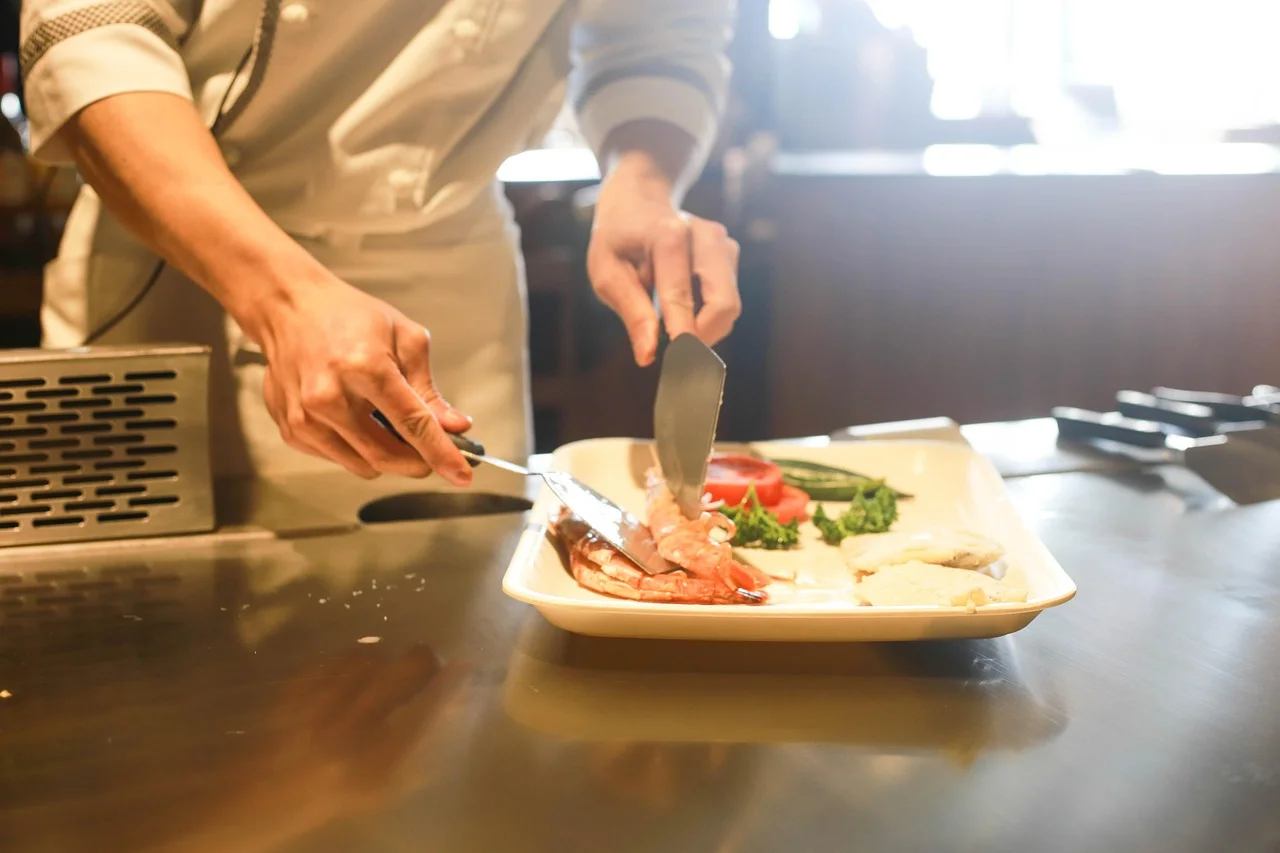
Deep kitchen cleaning: essential ventilation care for restaurants
Keeping a restaurant’s ventilation system clean is more than a regulatory requirement — it’s a safety and quality priority. Grease buildup in hoods, ducts, and fans increases fire risk, reduces airflow, and can affect kitchen temperatures. Regular attention prevents costly downtime and protects staff and guests.
Many operators schedule scheduled interventions and combine daily spot-cleaning with professional services for thorough results. For larger systems or busy kitchens, outsourcing an annual service is common; for smaller venues, a biannual professional inspection can suffice.
Key steps in ventilation maintenance
Ventilation care is a sequence of focused actions. Start with routine daily checks, then weekly surface cleaning, and finish with periodic deep work inside ducts and fans. Staff training on immediate spill and grease management helps keep problems from escalating.
- Daily wipe-downs of hoods and accessible filters
- Monthly inspection of duct joints and fan housings
- Annual professional grease trap and duct cleanout
When planning those professional visits, look for certified providers who document work and provide before-and-after photos. A clear maintenance log helps with insurance and inspections.
Practical schedule and costs
Below is a simple table to help managers decide frequency based on kitchen intensity. Use it as a guideline, not a rule — adjust for peak hours and cooking methods.
| Kitchen type | Suggested frequency | Typical focus |
|---|---|---|
| Low volume café | Annual | Hood, filters, light duct cleaning |
| Busy restaurant | Biannual | Full duct and fan clean |
| High grease output (charcoal, fryers) | Quarterly | Deep duct, fan, hood, and canopy |
For many establishments, hiring experts for deep kitchen cleaning ensures compliance and reduces fire risk — and it often uncovers small issues before they become major problems.
How often should filters be changed?
Filters should be checked daily and replaced or professionally cleaned at least monthly in busy kitchens; quieter operations can stretch that interval but should never ignore visual grease buildup.
Can I do ventilation cleaning myself?
Routine surface cleaning is fine for staff, but internal duct and fan work requires trained technicians for safety and effectiveness.
What are signs ventilation needs urgent attention?
Look for smoke lingering, reduced airflow, unusual odors, or visible grease dripping — any of these warrant immediate action.