
Polish-friendly care in peterborough
Moving to a new town or navigating the UK health system can feel overwhelming, especially if English is not your first language. In Peterborough, a growing Polish community has prompted many clinics and health centres to offer more culturally sensitive care. Knowing where to look and what to expect helps reduce stress and ensures you get timely treatment for dental and women’s health needs.
This article covers practical steps to find Polish-friendly services, explains common dental procedures like root canals, and outlines how cervical screening can be delivered with respect for cultural preferences.
Finding a dentist who speaks polish
Start by asking around in community groups, local Facebook pages, or Polish churches—word of mouth is often the quickest route to a reliable practitioner. When you contact a clinic, mention language needs and ask whether they offer translation or have staff who speak Polish.
- Check patient reviews for mentions of Polish-speaking staff.
- Ask about appointment types (NHS vs private) and waiting times.
- Confirm whether they handle emergencies and complex treatments.
If you prefer a clinic that advertises services for Polish speakers, search for a local dentysta peterborough with clear information on language support and cultural awareness. This single contact can save time and help you feel more confident during consultations.
Root canals and dental treatments explained
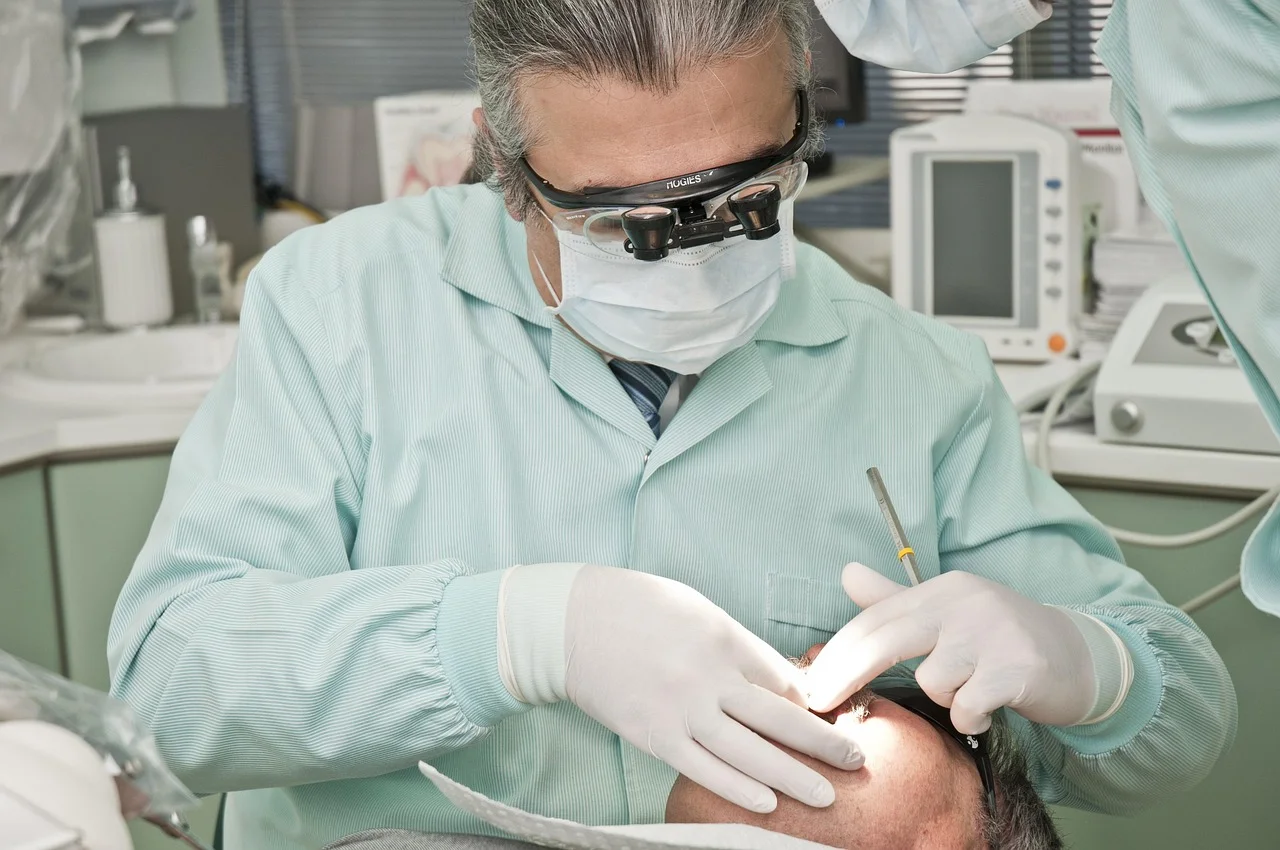
A root canal is a treatment to save a tooth when the inner pulp becomes infected. The procedure removes the infected tissue, cleans the canal, and seals it to prevent further infection. It can usually be done under local anaesthetic and may require one or two visits.
Many patients worry about pain, but modern techniques make root canals no more uncomfortable than having a filling. Aftercare includes avoiding hard foods for a few days and taking any prescribed pain relief. If you have anxiety, ask about sedation options when you book.
Whether NHS or private, always clarify treatment costs and whether follow-up appointments or crowns are included. Clear communication about what will happen and when is especially important when English is a second language.
Cervical screening with cultural sensitivity
Cervical screening (smear tests) helps detect changes that could lead to cervical cancer. In the UK, invitations are sent based on age and medical history, but you can also request a test through your GP or sexual health clinic.
For many women from Poland, modesty and privacy are major concerns. Ask for a female practitioner if that makes you more comfortable, and request a chaperone or translator if needed. Clinics should respect your preferences and explain the procedure step by step.
Screening is quick and offers significant health benefits. If you miss an invitation or are unsure about eligibility, talk to reception staff who can explain how to book and what to expect during the appointment.
Practical tips and local resources
Make a short list of questions before any appointment: language needs, costs, expected length of visit, and whether follow-up is required. Bring identification and any medical records you have, including recent x-rays or referral letters.
| Service | What to expect | Language support |
|---|---|---|
| Community dental clinic | Routine checks, fillings, some extractions | Translation on request |
| Hospital dental unit | Complex treatments and emergencies | Interpreter services available |
| Private practice | Root canals, crowns, cosmetic work | Polish-speaking staff at some clinics |
Keep contact details for your GP and nearest sexual health clinic handy. If you ever feel unsure, community organisations and local charities can help with appointments and translation.
Can I request a Polish interpreter for my appointment?
Yes. Many clinics and hospitals provide interpreter services if you ask in advance. Smaller practices may have bilingual staff available; always call ahead to confirm.
Are root canals covered by the NHS?
Some root canal treatments are available on the NHS, but coverage depends on clinical need. Private options may offer faster appointments and additional comfort measures. Ask your dentist about options and costs.
How often should I have cervical screening?
Screening intervals depend on age and national guidelines. Typically, invitations are sent every three to five years, but consult your GP to confirm your schedule and any personal risk factors.
[h3]What if I’m anxious about dental or smear appointments?
Explain your anxiety when booking; clinics can offer longer appointments, a chaperone, or sedation where appropriate. Community groups also offer support and tips to prepare mentally for visits.